The Nominees
Celebrating the composers who breathe emotional life into cinema. These scores transform images into experiences, guiding us through every beat of the story with musical mastery.
Bugonia
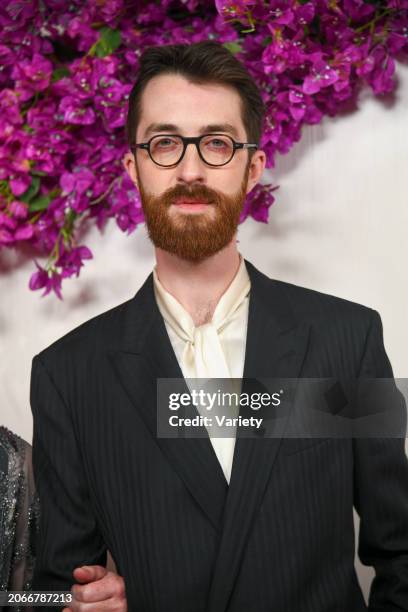
Jerskin Fendrix
British experimental composer nominated for his original score for Bugonia, a darkly satirical film that blends comedy and conspiracy-driven storytelling. Known for his avant-garde approach that merges classical motifs with contemporary electronic sounds in unexpected ways.
Fendrix's score for Bugonia is a bizarre and brilliant exploration of paranoia and satire, combining dissonant string arrangements with quirky electronic textures. The music perfectly captures the film's tone of absurd conspiracy theories, using unconventional instrumentation and unpredictable rhythms to mirror the chaotic narrative.
Listen to the music hereFrankenstein
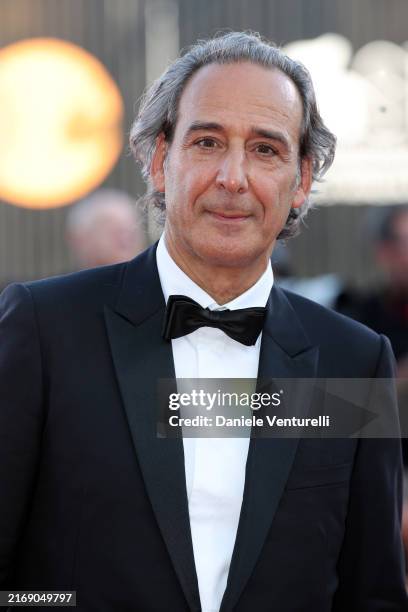
Alexandre Desplat
Acclaimed French composer with two previous Oscars (The Grand Budapest Hotel, The Shape of Water). Nominated for his Gothic score to Guillermo del Toro's adaptation of Mary Shelley's classic novel. Known for his elegant, melody-driven compositions and masterful orchestration.
Desplat's score for Frankenstein is a majestic yet haunting exploration of creation and monstrosity. Combining romantic-era orchestral grandeur with moments of intimate chamber music, the score captures both the epic scale of del Toro's vision and the tragic humanity at the story's core. The main theme represents the Creature's yearning for connection.
Listen to the music hereHamnet
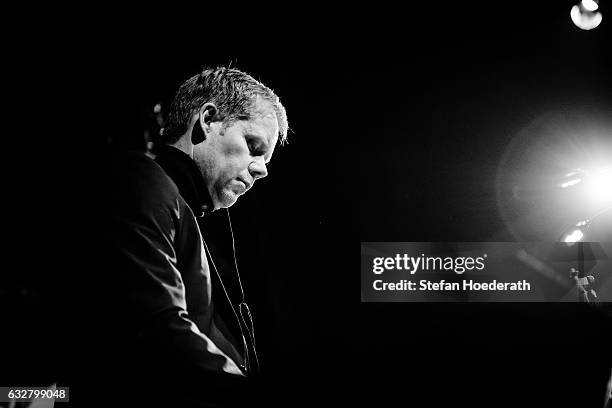
Max Richter
Renowned for atmospheric and emotional music, Richter is nominated for his evocative score to Hamnet, a historical drama about Shakespeare's family confronting loss. The German-British composer is known for blending classical minimalism with electronic elements to create deeply moving soundscapes.
Richter's score for Hamnet is a profound meditation on grief, memory, and artistic legacy. Using solo piano, string quartet, and subtle electronic processing, the music creates an intimate soundscape that mirrors the emotional journey of Shakespeare's family. The score employs repetitive, evolving motifs that represent the cyclical nature of memory and loss.
Listen to the music hereOne Battle After Another
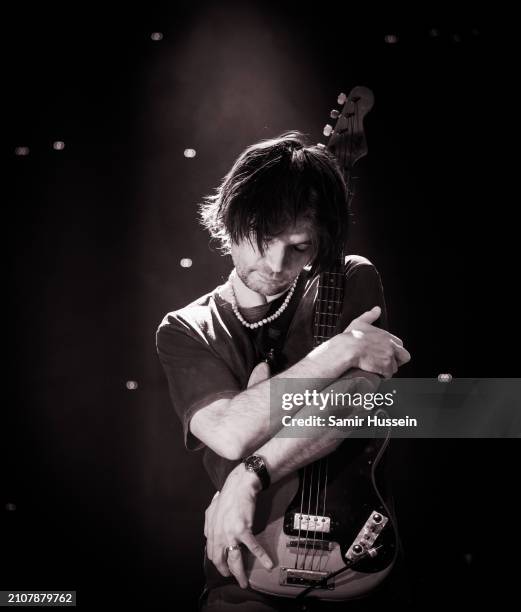
Jonny Greenwood
Radiohead guitarist and acclaimed film composer receives his fourth Oscar nomination for his dynamic score to One Battle After Another, a political thriller by Paul Thomas Anderson. Known for innovative blending of orchestral arrangements with electronic elements and unconventional structures.
Greenwood's score captures the tension and paranoia of political machinations, using prepared piano, ondes Martenot, and complex string arrangements to create a soundscape of unease. The music builds gradually from sparse, minimalist passages to intense, driving crescendos that mirror the film's escalating conflicts and moral compromises.
Listen to the music hereSinners

Ludwig Göransson
Oscar-winning composer (Black Panther) nominated for his work on Sinners, a genre-blending drama-horror set in 1930s Mississippi. Also nominated in Best Original Song this year. Known for innovative fusion of traditional orchestration with contemporary production and world music influences.
Göransson's score for Sinners blends Southern Gothic atmosphere with elements of horror and blues. Using field recordings from the Mississippi Delta, traditional gospel choir, and innovative string arrangements, the music creates a haunting soundscape that reflects both the historical setting and supernatural elements of the story. The score masterfully balances period authenticity with modern cinematic impact.
Listen to the music here"A great film score doesn't just accompany the images—it becomes the emotional architecture of the entire cinematic experience, revealing what dialogue and visuals alone cannot express."
About Original Film Scores
The Academy Award for Best Original Score honors composers who create substantial original music specifically written for a motion picture. These scores must serve as a dramatic underscoring, not merely background music. The category celebrates the emotional and narrative power that music brings to cinematic storytelling, transforming visual narratives into complete sensory experiences.